
.jpg)
Huvadhoo Gate — Mariculture & Blue Economy Hub
From sea to sustainability — where mariculture meets opportunity Seaweed mariculture offers immense value to the environment, local communities, and the global economy
About Huvadhoo Gate
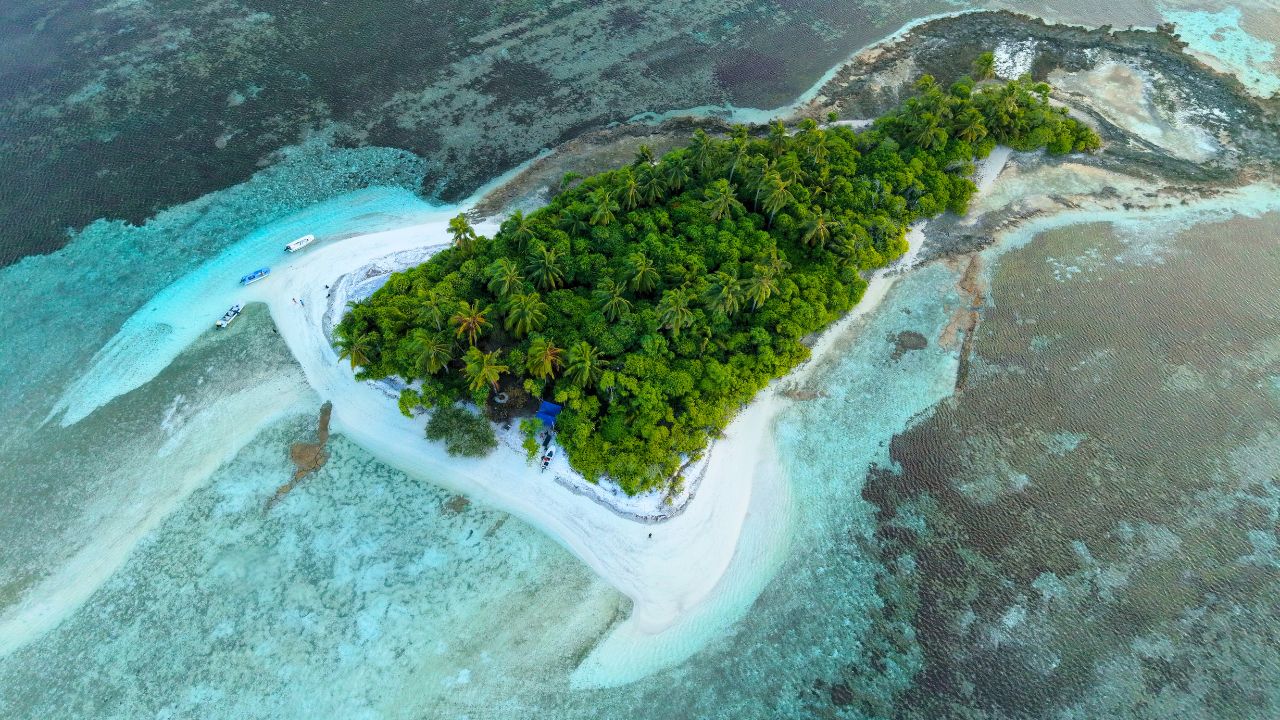
Huvadhoo Gate is the mariculture division of SDM Ventures, located in the pristine lagoons of Kolamaafushi and Kalhahuttaa in Huvadhoo Atoll. The project focuses on cultivating Kappaphycus alvarezii (Cottonii seaweed) — a globally valuable red seaweed species used in producing carrageenan, a natural gelling and stabilizing agent widely applied in the food, pharmaceutical, and cosmetic industries. The first phase of groundwork is ongoing, establishing the foundation for large-scale cultivation. The official launch will follow upon the arrival of seedstock, as necessary operational permits are being finalized.
Why It Matters
Seaweed mariculture offers immense value to the environment, local communities, and the global economy:
Eco-positive cultivation: requires no freshwater, fertilizer, or land — fully sustainable and ocean-based.
Supports marine health: seaweed absorbs excess nutrients and promotes biodiversity.
Empowers local communities: creates employment, especially for women and youth.
Strengthens the national economy: diversifies exports and supports food security.
Feeds the world’s carrageenan demand: a key raw material in food products, cosmetics, and medical formulations.
Our Vision
To make Huvadhoo Gate a regional model for sustainable mariculture, integrating community welfare, environmental restoration, and economic opportunity — aligning the Maldives with the global blue economy movement.
Photo & Video Gallery
Discover the beauty and potential of sustainable mariculture in the Maldives.
Latest News & Updates
Stay updated with the latest developments from Huvadhoo Gate and the blue economy movement.
.png)
Cottonii (Kappaphycus alvarezii) seaweed - A New Era of Sustainable Ocean Farming in the Maldives
Cottonii (Kappaphycus alvarezii) is rapidly emerging as one of the most valuable mariculture products in the tropical world. Known for its rich carrageenan content, this red seaweed plays a vital role in global industries ranging from food production to pharmaceuticals and cosmetics. With demand increasing every year, Cottonii offers island nations like the Maldives a unique opportunity to create new economic pathways while protecting fragile marine ecosystems. At Huvadhoo Gate, the first phase of documentation and site preparation for Cottonii cultivation is currently underway. Positioned within one of the largest and most biodiverse atolls in the Maldives, our project aims to harness the natural advantages of Huvadhoo’s warm, nutrient-rich lagoon systems. The region’s calm waters, stable temperatures, and ideal salinity levels make it one of the most suitable environments in the country for sustainable seaweed farming. Why Cottonii Seaweed Matters for the Maldives The Maldives relies heavily on imported goods, and introducing new local industries is essential for strengthening national resilience. Cottonii seaweed stands out as a low-impact, high-value product that can diversify the economy and create new income streams for island communities—especially in the southern atolls. Unlike many extractive industries, seaweed farming requires no chemicals, no feed, and no freshwater, making it one of the most environmentally friendly food and industrial resources in the world. By integrating Cottonii seaweed into the Maldivian mariculture landscape, the country gains the chance to reduce dependency on imports, generate export revenue, and create steady employment opportunities for youth and coastal communities. It also aligns with global trends toward sustainable, ocean-based food systems and climate-friendly economic models. Global Demand and Importance Cottonii is at the heart of the international carrageenan industry—a multi-billion-dollar market that shows no signs of slowing down. Carrageenan is widely used as a natural thickener, stabilizer, and gelling agent in dairy products, beverages, plant-based foods, and meat alternatives. Beyond food, it is essential in pharmaceuticals, bioplastics, cosmetics, and advanced medical materials. As global consumers and companies move toward natural, renewable ingredients, Cottonii continues to gain importance on the world stage. Countries in Southeast Asia currently dominate production, but climate challenges and supply inconsistencies have opened space for new producers. The Maldives, with its clean ocean environment and geographical advantages, is uniquely positioned to become a reliable, premium-quality supplier of Cottonii seaweed.

Kalhahuttaa
From sea to sustainability — where mariculture meets opportunity Seaweed mariculture offers immense value to the environment, local communities, and the global economy